Author: sm001

  • Explosion Proof Tactical Flashlight Tender China: A Comprehensive Guide

      In the dynamic and ever-evolving landscape of defense and security equipment, the demand for explosion-proof tactical flashlights has surged. As a leading market for such products, China offers a plethora of options for buyers seeking high-quality, reliable, and cost-effective explosion-proof tactical flashlights. This article delves into the details of the explosion-proof tactical flashlight tender in China, exploring its significance, key players, and future prospects.

      The Significance of Explosion-Proof Tactical Flashlights

      Explosion-proof tactical flashlights are designed to operate in environments where there is a risk of explosive gases or vapors. These flashlights are crucial for emergency response teams, military personnel, and other professionals who work in hazardous areas. The demand for these flashlights has grown due to the increasing number of industries operating in potentially explosive environments, such as oil and gas, mining, and chemical processing.

      Key Players in the Explosion Proof Tactical Flashlight Market

      China has a robust market for explosion-proof tactical flashlights, with several key players dominating the industry. These companies are known for their innovative designs, high-quality materials, and stringent quality control processes. Some of the leading players in the market include:

      1. Hangzhou Zhonghuan Optoelectronics Co., Ltd.
    2. Shanghai Xianlin Optoelectronics Co., Ltd.
    3. Shenzhen Lumed Technology Co., Ltd.
    4. Hangzhou Xingang Optoelectronics Co., Ltd.
    5. Ningbo Heli Technology Co., Ltd.

      Each of these companies offers a wide range of explosion-proof tactical flashlights, catering to the diverse needs of their customers.

      Features of Explosion-Proof Tactical Flashlights

      Explosion-proof tactical flashlights are equipped with several features that make them ideal for use in hazardous environments. Some of the key features include:

      1. Intrinsically Safe Design: These flashlights are designed to prevent the generation of sparks or heat that could ignite explosive gases or vapors.
    2. High Luminance: They provide bright and clear illumination, allowing users to see clearly in low-light or dark environments.
    3. Durable Construction: Made from high-quality materials, these flashlights are resistant to impact, shock, and corrosion.
    4. Long Battery Life: Most explosion-proof tactical flashlights come with long-lasting batteries, ensuring continuous operation during emergencies.
    5. Water-Resistant: These flashlights are designed to be water-resistant, making them suitable for use in wet or damp environments.

      The Explosion Proof Tactical Flashlight Tender in China

      The explosion-proof tactical flashlight tender in China is a crucial process for buyers seeking to acquire these flashlights for their organizations. The tender process involves several stages, including:

      1. Pre-Tender Activities: This stage includes market research, identification of potential suppliers, and preparation of the tender document.
    2. Tender Submission: Interested suppliers submit their proposals, including technical specifications, pricing, and delivery timelines.
    3. Evaluation: The submitted proposals are evaluated based on various criteria, such as quality, price, and delivery timelines.
    4. Award of Contract: The contract is awarded to the supplier that meets the specified requirements.

      Future Prospects

      The explosion-proof tactical flashlight market in China is expected to grow significantly in the coming years. This growth can be attributed to several factors, including:

      1. Increasing demand from various industries operating in hazardous environments.
    2. Technological advancements in the design and manufacturing of explosion-proof tactical flashlights.
    3. Strengthening of regulations and standards for the use of such products in hazardous areas.

      In conclusion, the explosion-proof tactical flashlight tender in China is a vital process for organizations seeking to acquire high-quality, reliable, and cost-effective flashlights. With a robust market and a diverse range of options available, buyers can find the perfect solution to meet their specific needs.
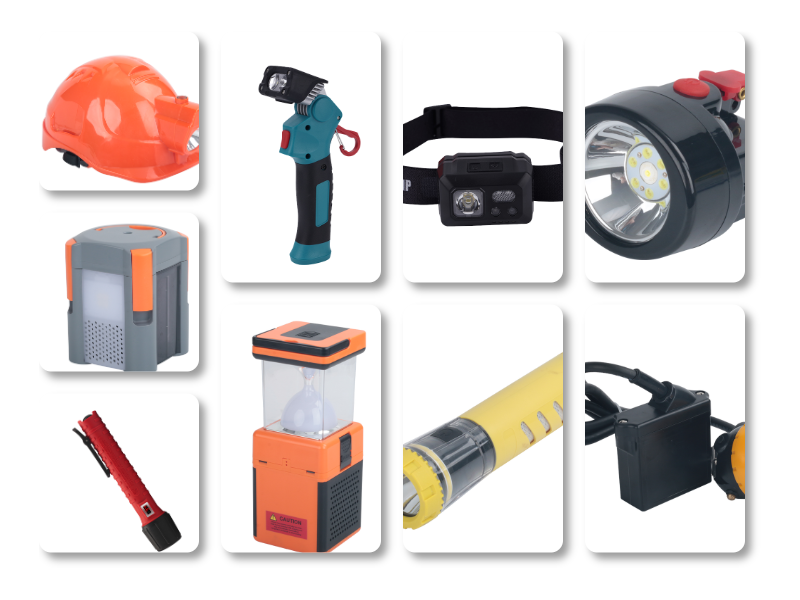

    explosion proof tactical flashlight tender China

  • Unleashing the Power of Long Term Latching Relay Supplier

      In today’s fast-paced industrial world, the importance of reliable and efficient components cannot be overstated. One such component that plays a crucial role in various applications is the latching relay. When it comes to sourcing these vital components, partnering with a long-term latching relay supplier is a wise decision. This article delves into the significance of a long-term latching relay supplier and highlights the benefits of choosing the right partner for your industrial needs.

      **The Significance of Latching Relays**

      Latching relays are a type of relay that remains energized or de-energized even after the control signal is removed. This unique feature makes them highly suitable for applications where continuous operation is required, such as in automation systems, security systems, and energy management systems. Latching relays offer several advantages over traditional relays, including reduced power consumption, faster response times, and improved reliability.

      **The Role of a Long-Term Latching Relay Supplier**

      A long-term latching relay supplier is a trusted partner that provides high-quality latching relays for various industrial applications. These suppliers understand the importance of reliable components and strive to meet the specific needs of their clients. By establishing a long-term relationship with a supplier, businesses can enjoy several benefits:

      1. **Consistent Quality**: A long-term supplier ensures that the quality of latching relays remains consistent over time. This is crucial for maintaining the performance and reliability of industrial systems.

      2. **Customization**: Long-term suppliers often offer customization services, allowing clients to tailor latching relays to their specific requirements. This flexibility is essential for meeting unique application needs.

      3. **Competitive Pricing**: By establishing a long-term relationship, suppliers can offer competitive pricing to their clients. This helps businesses reduce costs and improve their bottom line.

      4. **Prompt Delivery**: A reliable supplier ensures that latching relays are delivered on time, minimizing downtime and improving operational efficiency.

      5. **Technical Support**: Long-term suppliers typically provide excellent technical support, helping clients troubleshoot issues and optimize their systems.

      **Choosing the Right Long-Term Latching Relay Supplier**

      When selecting a long-term latching relay supplier, it is crucial to consider the following factors:

      1. **Experience**: Choose a supplier with a proven track record in the industry. An experienced supplier is more likely to understand your needs and provide high-quality products.

      2. **Product Range**: Ensure that the supplier offers a wide range of latching relays to meet your various application needs.

      3. **Certifications**: Look for suppliers with relevant certifications, such as ISO 9001, which guarantees quality and compliance with industry standards.

      4. **Customer Service**: A supplier with excellent customer service is more likely to address your concerns promptly and efficiently.

      5. **References**: Ask for references from other clients to gauge the supplier’s reputation and reliability.

      **Conclusion**

      In conclusion, a long-term latching relay supplier is an invaluable partner for businesses in the industrial sector. By choosing the right supplier, you can ensure consistent quality, customization, competitive pricing, prompt delivery, and excellent technical support. Take the time to research and select a reliable supplier to maximize the benefits of latching relays in your applications.

    long term latching relay supplier

  • The Essential Guide to Plumbing Flexible Couplings: Types, Uses, and Benefits

      Plumbing flexible couplings are an indispensable component in the plumbing industry, providing a versatile and durable solution for various piping systems. This article aims to provide an in-depth understanding of plumbing flexible couplings, including their types, uses, and benefits.

      **Introduction**

      Plumbing flexible couplings are designed to connect two pipes or pipe sections, allowing for movement and flexibility in the piping system. They are commonly used in plumbing, HVAC, and industrial applications where pipes may move or where vibrations occur. This article will explore the different types of flexible couplings available, their applications, and the advantages they offer.

      **Types of Plumbing Flexible Couplings**

      1. **Rubber Bell Couplings**: These are the most common type of flexible coupling. They consist of a rubber bell that fits over the ends of two pipes, providing a seal and allowing for movement. Rubber bell couplings are suitable for a wide range of applications and are available in various sizes and materials.

      2. **Steel Clamp Couplings**: Steel clamp couplings are made of stainless steel and feature a clamp design that secures the pipes together. They offer excellent strength and durability, making them ideal for high-pressure and high-temperature applications.

      3. **Expansion Joints**: Expansion joints are a type of flexible coupling that allows for thermal expansion and contraction of the piping system. They are commonly used in long pipe runs, where temperature changes can cause the pipes to expand or contract.

      4. **Flanged Couplings**: Flanged couplings feature a flange on each end of the coupling, which is bolted to the pipes. They provide a secure and leak-proof connection and are suitable for high-pressure applications.

      **Applications of Plumbing Flexible Couplings**

      1. **HVAC Systems**: Flexible couplings are widely used in HVAC systems, where they help to absorb vibrations and reduce noise. They are particularly useful in applications where the piping system may move or flex due to expansion and contraction.

      2. **Plumbing Systems**: In plumbing systems, flexible couplings are used to connect pipes that may move or flex, such as those in bathrooms and kitchens. They also provide a secure and leak-proof connection in high-pressure applications, such as water supply lines.

      3. **Industrial Applications**: Flexible couplings are used in a variety of industrial applications, including chemical processing, oil and gas, and food and beverage industries. They help to protect the piping system from damage caused by vibrations and temperature changes.

      **Benefits of Using Plumbing Flexible Couplings**

      1. **Reduced Noise and Vibration**: Flexible couplings help to absorb vibrations and reduce noise, making them ideal for applications where noise and vibration are a concern.

      2. **Improved Flexibility**: Flexible couplings allow for movement and flexibility in the piping system, which can be beneficial in applications where the pipes may move or flex due to expansion and contraction.

      3. **Leak-Proof Connections**: Many types of flexible couplings provide a secure and leak-proof connection, ensuring that the piping system remains functional and safe.

      4. **Easy Installation**: Flexible couplings are easy to install and require minimal tools and equipment.

      5. **Longevity**: High-quality flexible couplings are designed to be durable and long-lasting, providing reliable performance over the years.

      In conclusion, plumbing flexible couplings are a vital component in a variety of piping systems. Their versatility, durability, and ease of installation make them an excellent choice for a wide range of applications. By understanding the different types of flexible couplings and their benefits, you can ensure that your piping system is reliable, safe, and efficient.

    plumbing flexible coupling

  • Hazardous Area Intrinsically Safe Tactical Solutions in China

      In the rapidly evolving landscape of industrial safety, hazardous area intrinsically safe tactical solutions have become a crucial aspect of ensuring the well-being of workers and the integrity of operations. China, with its vast industrial sector, has been at the forefront of adopting and innovating in this field. This article delves into the concept of hazardous area intrinsically safe tactical solutions in China, exploring their significance, applications, and the technological advancements that have been made.

      **Understanding Hazardous Areas**

      Hazardous areas refer to environments where flammable gases, vapors, liquids, or dusts are present in sufficient quantities to ignite and cause an explosion. These areas are often found in industries such as oil and gas, chemical processing, and pharmaceutical manufacturing. To mitigate the risks associated with these environments, intrinsically safe equipment and systems are employed.

      **Intrinsically Safe Technology**

      Intrinsically safe technology is designed to prevent the release of sufficient energy to ignite an explosive atmosphere. This is achieved by limiting the energy available to the ignition source, such as sparks or heat. In China, this technology is not only a regulatory requirement but also a key component of a comprehensive safety strategy.

      **Tactical Solutions in Hazardous Areas**

      In China, hazardous area intrinsically safe tactical solutions encompass a range of products and services aimed at protecting personnel and equipment in potentially explosive environments. These solutions include:

      1. **Intrinsically Safe Equipment**: Devices such as intrinsically safe controllers, sensors, and communication systems are designed to operate safely in hazardous areas without the risk of causing an explosion.

      2. **Ex Explosion-Proof Enclosures**: Enclosures that protect electrical equipment from the explosive atmosphere are essential in hazardous areas. In China, these enclosures are rigorously tested to ensure they meet the highest safety standards.

      3. **Safety Management Systems**: Implementing a robust safety management system is crucial for identifying and controlling hazards in hazardous areas. Chinese companies are increasingly adopting international best practices in this area.

      **Technological Advancements**

      China has made significant strides in the development of hazardous area intrinsically safe tactical solutions. Some of the key technological advancements include:

      1. **Smart Sensors**: The integration of smart sensors into intrinsically safe equipment allows for real-time monitoring of environmental conditions, enabling timely interventions to prevent accidents.

      2. **Wireless Communication Systems**: The deployment of wireless communication systems in hazardous areas has eliminated the need for traditional wired connections, reducing the risk of sparking and improving operational efficiency.

      3. **Artificial Intelligence**: The application of artificial intelligence in predictive maintenance and safety analysis helps in identifying potential hazards before they escalate into accidents.

      **Challenges and Future Prospects**

      Despite the advancements, there are challenges that need to be addressed. The cost of implementing hazardous area intrinsically safe tactical solutions can be high, and there is a need for continuous training and education of workers to ensure compliance with safety protocols.

      Looking ahead, the future of hazardous area intrinsically safe tactical solutions in China appears promising. As the country continues to invest in research and development, we can expect to see further innovations that will make these solutions more accessible and effective.

      In conclusion, hazardous area intrinsically safe tactical solutions play a vital role in ensuring the safety of workers and the reliability of operations in China’s industrial sector. With ongoing technological advancements and a commitment to safety, the future looks bright for this critical field.

    hazardous area intrinsically safe tactical China

  • Latching Relay for Project Purchase: A Comprehensive Guide

      In the world of electronics and automation, selecting the right components for a project is crucial. One such component that often goes unnoticed but plays a vital role is the latching relay. This article aims to provide a comprehensive guide on latching relays for project purchase, covering their basics, applications, and factors to consider when making a purchase.

      **Introduction to Latching Relays**

      A latching relay is a type of relay that remains in a latched state even after the control signal is removed. Unlike conventional relays that require a continuous control signal to maintain their state, latching relays offer several advantages, such as reduced power consumption and improved reliability. They are widely used in various applications, including industrial automation, home automation, and remote control systems.

      **Understanding Latching Relay Operation**

      Latching relays operate on the principle of maintaining their state using a latching mechanism. When the relay is activated, it latches in the ‘on’ state, and when deactivated, it latches in the ‘off’ state. This mechanism is achieved using a bistable magnetic latch, which holds the relay contacts in their latched position.

      **Applications of Latching Relays**

      The versatility of latching relays makes them suitable for a wide range of applications. Some common uses include:

      - **Industrial Automation**: Latching relays are used in industrial applications to control high-power devices, such as motors and pumps, without the need for continuous control signals.
    – **Home Automation**: They are ideal for home automation systems, allowing users to control lights, appliances, and other devices remotely.
    – **Remote Control Systems**: Latching relays are used in remote control systems to maintain the state of the controlled device even when the control signal is not present.
    – **Emergency Systems**: They are used in emergency systems to ensure that critical functions remain operational even during power outages.

      **Factors to Consider When Purchasing a Latching Relay**

      When purchasing a latching relay for your project, there are several factors to consider to ensure that you choose the right component for your needs:

      - **Voltage and Current Ratings**: Ensure that the relay’s voltage and current ratings match the requirements of your application.
    – **Contact Configuration**: Latching relays come in various contact configurations, such as SPDT (Single Pole, Double Throw) and DPDT (Double Pole, Double Throw). Choose the configuration that suits your application.
    – **Operating Temperature Range**: Check the relay’s operating temperature range to ensure it can function within the temperature conditions of your project.
    – **Size and Mounting Type**: Consider the size and mounting type of the relay to ensure it fits your project’s design and requirements.
    – **Brand and Quality**: Choose a reputable brand known for producing high-quality latching relays.

      **Conclusion**

      Latching relays are an essential component for many electronic and automation projects. By understanding their operation, applications, and the factors to consider when purchasing, you can make an informed decision that will benefit your project. Whether you are working on an industrial automation system, home automation project, or remote control application, a latching relay can provide the reliability and efficiency you need.

    latching relay for project purchase

  • Flexible Pipe Coupling Stainless Steel: The Ultimate Guide to Durability and Versatility

      Flexible pipe couplings have become an essential component in various industries due to their exceptional durability and versatility. Among the numerous types of flexible pipe couplings available in the market, stainless steel flexible pipe couplings stand out for their superior quality and reliability. This article aims to provide a comprehensive guide to flexible pipe coupling stainless steel, covering their features, benefits, applications, and maintenance tips.

      **Introduction**

      Flexible pipe couplings are designed to connect two pipes while allowing them to move independently relative to each other. This movement is essential in applications where pipes are subjected to vibrations, thermal expansion, or pressure fluctuations. Stainless steel flexible pipe couplings, in particular, offer a robust solution for industries that demand high-performance and corrosion-resistant components.

      **Features of Flexible Pipe Coupling Stainless Steel**

      1. **Corrosion Resistance**: Stainless steel is renowned for its excellent corrosion resistance, making it ideal for environments where pipes are exposed to harsh chemicals, high temperatures, or corrosive substances.
    2. **High Strength**: The high strength of stainless steel ensures that the flexible pipe couplings can withstand high pressure and mechanical stress.
    3. **Ease of Installation**: Stainless steel flexible pipe couplings are designed for quick and easy installation, saving time and labor costs.
    4. **Longevity**: The durable nature of stainless steel contributes to the longevity of the flexible pipe couplings, reducing the need for frequent replacements.
    5. **Aesthetics**: The sleek and modern design of stainless steel flexible pipe couplings adds a touch of elegance to any industrial setup.

      **Benefits of Flexible Pipe Coupling Stainless Steel**

      1. **Reduced Maintenance Costs**: The corrosion-resistant and durable nature of stainless steel reduces the need for frequent maintenance and repairs, ultimately lowering maintenance costs.
    2. **Increased System Reliability**: Stainless steel flexible pipe couplings ensure a tight and secure connection between pipes, minimizing the risk of leaks and failures.
    3. **Improved Performance**: The flexibility of stainless steel allows the pipes to absorb vibrations and thermal expansion, leading to improved system performance.
    4. **Enhanced Safety**: The high strength of stainless steel ensures that the flexible pipe couplings can withstand harsh conditions without compromising safety.
    5. **Environmental Friendliness**: Stainless steel is a recyclable material, making it an environmentally friendly choice for flexible pipe couplings.

      **Applications of Flexible Pipe Coupling Stainless Steel**

      Stainless steel flexible pipe couplings are widely used in various industries, including:

      1. **Chemical Processing**: The corrosion-resistant properties of stainless steel make it suitable for handling corrosive chemicals.
    2. **Petrochemical Industry**: The high-pressure and high-temperature conditions in the petrochemical industry demand robust and reliable flexible pipe couplings.
    3. **Food and Beverage Industry**: The hygienic nature of stainless steel ensures that the flexible pipe couplings meet the stringent requirements of the food and beverage industry.
    4. **Water Treatment**: Stainless steel flexible pipe couplings are used in water treatment plants to handle the abrasive and corrosive nature of water.
    5. **Aerospace and Defense**: The high strength and corrosion resistance of stainless steel make it suitable for aerospace and defense applications.

      **Maintenance Tips for Flexible Pipe Coupling Stainless Steel**

      1. **Regular Inspection**: Regularly inspect the flexible pipe couplings for any signs of damage, wear, or corrosion.
    2. **Cleanliness**: Keep the flexible pipe couplings clean and free from debris, as this can lead to premature wear and corrosion.
    3. **Lubrication**: Apply a suitable lubricant to the joints of the flexible pipe couplings to ensure smooth movement and reduce friction.
    4. **Replacement**: Replace worn-out or damaged flexible pipe couplings promptly to maintain system integrity and prevent costly repairs.

      In conclusion, flexible pipe coupling stainless steel is an excellent choice for industries that demand high-performance, durability, and corrosion resistance. By understanding their features, benefits, applications, and maintenance tips, you can make an informed decision when selecting flexible pipe couplings for your specific needs.

    flexible pipe coupling stainless steel

  • Portable High Lumen Tactical Light China: A Game-Changer for Security and Adventure

      In today’s fast-paced world, safety and preparedness are paramount, especially in outdoor environments. One essential tool that has gained immense popularity among adventurers, law enforcement, and security personnel is the portable high lumen tactical light. This article delves into the world of portable high lumen tactical lights from China, exploring their features, benefits, and why they are a game-changer for anyone seeking enhanced visibility and security.

      **Introduction**

      Tactical lights are designed to provide intense illumination in critical situations, where every second counts. With the advancements in LED technology, these lights have become more powerful, compact, and versatile. China, being a hub of manufacturing, has emerged as a leading producer of high-quality tactical lights. This article will highlight the key aspects of portable high lumen tactical lights from China, including their design, performance, and affordability.

      **Design and Build Quality**

      One of the standout features of portable high lumen tactical lights from China is their sleek and robust design. These lights are typically made from durable materials like aluminum alloy, ensuring they can withstand harsh conditions and rugged use. The ergonomic design allows for a secure and comfortable grip, making them ideal for extended use. Additionally, many models come with a waterproof rating, ensuring they remain functional even in wet environments.

      **Performance and Lumen Output**

      The primary purpose of a tactical light is to provide intense illumination, and Chinese manufacturers have excelled in this aspect. Portable high lumen tactical lights from China offer a wide range of lumen outputs, starting from 300 lumens and going up to an impressive 5000 lumens or more. This high lumen output ensures that you can see clearly in complete darkness, making them perfect for self-defense, search and rescue operations, or any situation where visibility is crucial.

      **Features and Innovations**

      Chinese portable high lumen tactical lights are not just about brightness; they come packed with innovative features. Many models include multiple modes, such as high, medium, low, and strobe, allowing users to adjust the light output according to their needs. Some lights even feature a red or infrared mode, which can be useful for discreet signaling or maintaining night vision. Additionally, many models come with a built-in rechargeable battery, eliminating the need for disposable batteries and reducing waste.

      **Affordability and Value for Money**

      One of the most significant advantages of portable high lumen tactical lights from China is their affordability. These lights are often priced significantly lower than similar products from other countries, making them accessible to a broader audience. The high-quality construction and innovative features ensure that these lights offer excellent value for money, making them a wise investment for anyone seeking a reliable and powerful tactical light.

      **Conclusion**

      In conclusion, portable high lumen tactical lights from China have revolutionized the way we approach safety and preparedness in outdoor environments. With their sleek design, impressive performance, and affordability, these lights are a game-changer for anyone looking to enhance their visibility and security. Whether you are an adventurer, law enforcement officer, or security personnel, investing in a high-quality portable high lumen tactical light from China is a wise decision that will serve you well in various situations.

    portable high lumen tactical light China

  • Custom Latching Relay Quote: Unlocking the Potential of Tailored Relay Solutions

      In today’s fast-paced industrial world, the demand for customized solutions has never been higher. One such solution that has gained significant attention is the custom latching relay. This article delves into the concept of custom latching relay quote, exploring its benefits, applications, and how it can unlock the potential of tailored relay solutions.

      The Importance of Customization in Relay Solutions

      Relays are essential components in various industrial applications, serving as switches that control the flow of electrical current. While standard relays offer a wide range of functionalities, they may not always meet the specific requirements of a particular application. This is where custom latching relay solutions come into play. By offering tailored relay solutions, manufacturers can ensure that the relays meet the unique needs of their customers.

      Understanding Custom Latching Relay Quote

      A custom latching relay quote is a detailed proposal provided by relay manufacturers to customers seeking a customized relay solution. This quote outlines the specifications, features, and pricing of the custom latching relay, enabling customers to make informed decisions about their relay requirements.

      Key Components of a Custom Latching Relay Quote

      1. Relay Specifications: This section includes details such as the relay’s voltage, current, and contact ratings. It also specifies the number of poles and throws, as well as any additional features like isolation or surge protection.

      2. Latching Functionality: Latching relays have the unique ability to maintain their state even after the control signal is removed. This feature is crucial in applications where continuous power supply is required, such as in industrial automation or remote control systems.

      3. Enclosure and Mounting: The custom latching relay quote should specify the relay’s enclosure type, material, and mounting options. This information is essential for ensuring compatibility with the customer’s existing system.

      4. Additional Features: Some custom latching relay solutions may include additional features like LED indicators, built-in diagnostics, or remote monitoring capabilities. The quote should detail these features and their associated costs.

      Benefits of Custom Latching Relay Solutions

      1. Enhanced Performance: Custom latching relay solutions are designed to meet the specific requirements of an application, resulting in enhanced performance and reliability.

      2. Cost-Effective: While custom solutions may seem expensive at first glance, they can often be more cost-effective in the long run. By avoiding the need for additional components or modifications to existing systems, customers can save on installation and maintenance costs.

      3. Improved Safety: Custom latching relay solutions can be designed to meet stringent safety standards, ensuring the protection of personnel and equipment in critical applications.

      Applications of Custom Latching Relay Solutions

      1. Industrial Automation: Custom latching relays are widely used in industrial automation systems for controlling machinery and processes.

      2. Energy Management: These relays can be utilized in energy management systems to optimize power consumption and reduce costs.

      3. Remote Control Systems: Latching functionality makes custom latching relays ideal for remote control applications, where continuous power supply is essential.

      4. Medical Equipment: Custom latching relay solutions are used in medical devices to ensure reliable and safe operation.

      Conclusion

      In conclusion, a custom latching relay quote is a valuable tool for customers seeking tailored relay solutions. By understanding the key components of a custom latching relay quote and recognizing the benefits of custom latching relay solutions, customers can make informed decisions that will enhance the performance, safety, and cost-effectiveness of their applications.

    custom latching relay quote

  • High-Pressure Flexible Pipe Fitting: A Comprehensive Guide

      High-pressure flexible pipe fittings are essential components in various industrial applications, providing a reliable and efficient solution for transferring fluids under high pressure conditions. This article aims to provide a comprehensive guide to high-pressure flexible pipe fittings, covering their types, applications, benefits, and considerations for selection.

      **Introduction**

      In the industrial sector, the need for robust and reliable piping systems is paramount. High-pressure flexible pipe fittings play a crucial role in ensuring the smooth operation of these systems. These fittings are designed to handle high-pressure fluids, offering flexibility, durability, and resistance to corrosion. This article delves into the world of high-pressure flexible pipe fittings, exploring their significance, various types, and the factors to consider when selecting them.

      **Types of High-Pressure Flexible Pipe Fittings**

      High-pressure flexible pipe fittings come in various types, each designed to cater to specific requirements. The most common types include:

      1. **Bend Fittings**: These fittings are used to change the direction of the pipeline. They are available in various angles, such as 45 degrees, 90 degrees, and 180 degrees.

      2. **Elbow Fittings**: Similar to bend fittings, elbow fittings are used to change the direction of the pipeline but offer a more gradual transition.

      3. **Tees**: Tees are used to divide the flow into two separate pipelines. They come in various sizes and configurations, including equal and reducing tees.

      4. **Crosses**: Cross fittings are used to connect four pipelines at a single point. They are available in various configurations, including equal and reducing crosses.

      5. **Reducers**: Reducers are used to change the diameter of the pipeline, either from a larger to a smaller diameter or vice versa.

      6. **Flanges**: Flanges are used to connect two pipes or a pipe to a valve or pump. They are available in various materials and sizes, ensuring a secure and leak-proof connection.

      **Applications of High-Pressure Flexible Pipe Fittings**

      High-pressure flexible pipe fittings find applications in various industries, including:

      1. **Oil and Gas Industry**: These fittings are extensively used in oil and gas pipelines for transferring fluids under high pressure.

      2. **Chemical Industry**: The chemical industry relies on high-pressure flexible pipe fittings for transferring corrosive and hazardous fluids.

      3. **Petrochemical Industry**: In petrochemical plants, these fittings are used for transferring various chemicals and process fluids.

      4. **Power Generation**: High-pressure flexible pipe fittings are used in power plants for transferring steam and other fluids under high pressure.

      **Benefits of High-Pressure Flexible Pipe Fittings**

      The use of high-pressure flexible pipe fittings offers several benefits, including:

      1. **Flexibility**: These fittings allow for flexibility in pipeline design, enabling the creation of complex layouts without compromising on performance.

      2. **Durability**: High-pressure flexible pipe fittings are designed to withstand harsh conditions, ensuring a long service life.

      3. **Corrosion Resistance**: These fittings are made from materials that offer excellent resistance to corrosion, making them suitable for transferring corrosive fluids.

      4. **Ease of Installation**: High-pressure flexible pipe fittings are easy to install, saving time and labor costs.

      **Considerations for Selection**

      When selecting high-pressure flexible pipe fittings, several factors should be considered, including:

      1. **Material**: The material of the fitting should be suitable for the fluid being transferred and the operating conditions.

      2. **Pressure Rating**: The pressure rating of the fitting should be higher than the maximum pressure in the pipeline.

      3. **Temperature Rating**: The temperature rating of the fitting should be suitable for the operating temperature of the fluid.

      4. **Size**: The size of the fitting should match the size of the pipeline.

      5. **Standard**: The fitting should comply with the relevant industry standards.

      **Conclusion**

      High-pressure flexible pipe fittings are essential components in various industrial applications, offering a reliable and efficient solution for transferring fluids under high-pressure conditions. By understanding the different types, applications, and benefits of these fittings, engineers and technicians can make informed decisions when selecting the right fitting for their specific needs.

    High-Pressure Flexible Pipe Fitting

  • Flexible Pipe Coupling/Expansion Joint – Stainless Steel/EPDM, ANSI/DIN/JIS Standard for Plumbing & HVAC Applications

      Flexible pipe couplings and expansion joints are essential components in plumbing and HVAC applications, providing solutions to the challenges of movement and vibration in piping systems. This article delves into the details of these components, focusing on their construction using stainless steel and EPDM, and the importance of adhering to ANSI, DIN, and JIS standards.

      **Introduction**

      In the realm of plumbing and HVAC systems, the movement and vibration of pipes are inevitable due to factors such as temperature changes, pressure fluctuations, and seismic activity. To accommodate these movements without causing damage to the system, flexible pipe couplings and expansion joints are employed. These components are designed to absorb vibrations, reduce stress, and provide a seamless connection between pipes.

      **Construction and Materials**

      Flexible pipe couplings and expansion joints are typically constructed using stainless steel and EPDM (Ethylene-Propylene-Diene Monomer) rubber. Stainless steel is chosen for its corrosion resistance, durability, and ability to withstand high temperatures. EPDM rubber, on the other hand, is known for its flexibility, resistance to temperature extremes, and excellent resistance to aging and ozone.

      The stainless steel components of these couplings and joints are usually made from 304 or 316 stainless steel, which are suitable for a wide range of applications, including those involving water, steam, and chemicals. The EPDM rubber is vulcanized to the stainless steel, creating a robust and reliable seal.

      **ANSI, DIN, and JIS Standards**

      To ensure the quality and performance of flexible pipe couplings and expansion joints, it is crucial to adhere to international standards. ANSI (American National Standards Institute), DIN (Deutsches Institut für Normung), and JIS (Japanese Industrial Standards) are among the most widely recognized standards in the industry.

      ANSI standards are primarily used in the United States and Canada, and they cover various aspects of pipe couplings and expansion joints, including dimensions, materials, and performance requirements. DIN standards are predominantly used in Europe, while JIS standards are followed in Japan.

      Adhering to these standards ensures that the components are compatible with the specific requirements of the plumbing and HVAC systems they will be used in. It also guarantees that the components are safe, reliable, and durable.

      **Applications in Plumbing and HVAC**

      Flexible pipe couplings and expansion joints find extensive use in plumbing and HVAC applications. In plumbing systems, they are used in water supply lines, drainage systems, and waste systems. In HVAC systems, they are employed in air handling units, chillers, and heat exchangers.

      The flexibility of these components allows them to absorb the movements and vibrations caused by temperature changes and pressure fluctuations, preventing damage to the piping system. Additionally, their ability to provide a seamless connection ensures that there are no leaks or interruptions in the flow of water or air.

      **Conclusion**

      Flexible pipe couplings and expansion joints play a critical role in ensuring the smooth operation of plumbing and HVAC systems. Constructed using stainless steel and EPDM, these components are designed to withstand the challenges of movement and vibration. By adhering to ANSI, DIN, and JIS standards, manufacturers ensure that these components meet the highest quality and performance requirements. In conclusion, the use of flexible pipe couplings and expansion joints is essential for the reliability and longevity of plumbing and HVAC systems.

    Flexible Pipe Coupling/Expansion Joint – Stainless Steel/EPDM, ANSI/DIN/JIS Standard for Plumbing & HVAC Applications
