Category: Industry News

  • The Evolution and Significance of Relay Manufacturing

      In the realm of electrical engineering, relay manufacturing stands as a cornerstone of technological advancement. Relays, as electromagnetic switches, play a pivotal role in controlling and regulating electrical currents. This article delves into the evolution of relay manufacturing, its significance in modern society, and the challenges it faces in the era of automation and digitalization.

      The Early Days of Relay Manufacturing

      The concept of relay, as an electromagnetic switch, dates back to the early 19th century. However, it was not until the late 19th century that relay manufacturing gained momentum. Initially, relays were made using materials like copper, iron, and brass. The manufacturing process was labor-intensive and required skilled artisans.

      The advent of World War II accelerated the pace of relay manufacturing. As demand for electrical equipment increased, relay manufacturing became more industrialized. The introduction of new materials and manufacturing techniques further enhanced the efficiency and reliability of relays.

      The Evolution of Relay Manufacturing

      Over the years, relay manufacturing has undergone significant transformations. The following are some of the key developments:

      1. Miniaturization: With the advent of microelectronics, relay manufacturing has seen a trend towards miniaturization. Today, relays are available in various sizes, from tiny micro relays to large industrial relays.

      2. Improved Materials: The use of advanced materials like silver, gold, and copper alloys has improved the performance and durability of relays. These materials offer better conductivity, lower resistance, and increased lifespan.

      3. Automation: Automation has revolutionized relay manufacturing. The introduction of robotics and computer-aided design (CAD) has made the manufacturing process more efficient and cost-effective.

      4. Smart Relays: The integration of microcontrollers and sensors has led to the development of smart relays. These relays offer enhanced functionality, such as remote monitoring, predictive maintenance, and energy management.

      The Significance of Relay Manufacturing

      Relay manufacturing holds immense importance in various sectors:

      1. Industrial Automation: Relays are essential components in industrial automation systems. They enable the control and regulation of electrical currents in manufacturing processes, ensuring smooth operations and reducing downtime.

      2. Power Distribution: Relays play a crucial role in power distribution systems. They help in protecting electrical equipment from overloads, short circuits, and other faults.

      3. Consumer Electronics: Relays are widely used in consumer electronics, such as televisions, refrigerators, and washing machines. They enable the control of electrical appliances, ensuring efficient energy consumption.

      4. Automotive Industry: Relays are integral to the automotive industry. They are used in various applications, including engine control units, lighting systems, and air conditioning.

      Challenges in Relay Manufacturing

      Despite the advancements in relay manufacturing, several challenges persist:

      1. Cost: The cost of manufacturing high-quality relays remains a concern. As technology advances, the cost of raw materials and manufacturing processes continues to rise.

      2. Competition: The relay market is highly competitive, with numerous manufacturers vying for market share. This competition often leads to price wars and reduced profit margins.

      3. Environmental Concerns: The manufacturing process of relays generates waste and emissions. There is a growing need for eco-friendly manufacturing practices to minimize the environmental impact.

      4. Technological Advancements: The rapid pace of technological advancements poses a challenge for relay manufacturers. They must continuously innovate to keep up with the evolving needs of the market.

      Conclusion

      Relay manufacturing has come a long way since its inception. The evolution of relay technology has played a crucial role in shaping the modern world. As the industry continues to evolve, relay manufacturers must address the challenges ahead to ensure sustainable growth and innovation.


    Relay manufacturing

  • Wiring Duct for Rail Transit: The Backbone of Efficient Transportation Systems

      The development of rail transit systems has been a significant milestone in urban transportation. One of the most critical components of these systems is the wiring duct, which plays a crucial role in ensuring the smooth operation of trains and the safety of passengers. In this article, we will explore the importance of wiring duct for rail transit, its design, installation, and maintenance.

      Introduction:
    Wiring ducts are specialized conduits designed to house electrical cables and wires that power and control rail transit systems. These ducts are an integral part of the infrastructure, providing a secure and efficient way to manage the electrical supply. The effectiveness of wiring ducts directly impacts the reliability and safety of rail transit systems.

      Importance of Wiring Duct for Rail Transit:
    1. Reliable Power Supply: Wiring ducts ensure a continuous and stable power supply to trains, reducing the risk of disruptions and delays. This is crucial for maintaining punctuality and providing a seamless travel experience for passengers.
    2. Enhanced Safety: By housing electrical cables and wires in a protected environment, wiring ducts minimize the risk of accidents caused by exposed wires. This is particularly important in high-traffic areas where the safety of passengers is a top priority.
    3. Easy Maintenance: Wiring ducts allow for easy access and maintenance of electrical systems. This ensures that any issues can be addressed promptly, reducing downtime and improving the overall efficiency of the rail transit system.

      Design of Wiring Duct for Rail Transit:
    The design of wiring ducts for rail transit systems involves several key factors:

      1. Material: Wiring ducts are typically made from materials such as stainless steel, aluminum, or reinforced plastic. These materials offer excellent durability, corrosion resistance, and flexibility, making them suitable for the harsh conditions of rail transit environments.
    2. Size and Capacity: The size and capacity of wiring ducts are determined by the number and size of electrical cables and wires that need to be housed. It is essential to ensure that the ducts can accommodate future expansion or upgrades to the electrical system.
    3. Installation: Wiring ducts must be designed for easy installation and integration into the existing rail transit infrastructure. This includes considering factors such as the layout of the tracks, tunnels, and stations.

      Installation of Wiring Duct for Rail Transit:
    The installation of wiring ducts for rail transit systems is a complex process that requires precision and expertise. The following steps are typically involved:

      1. Planning: A detailed plan is developed, considering the layout of the tracks, tunnels, and stations. This plan ensures that the wiring ducts are installed in the most efficient and cost-effective manner.
    2. Excavation: Excavation work is carried out to create the necessary channels for the wiring ducts. This process must be carefully executed to avoid damaging other infrastructure components.
    3. Installation: The wiring ducts are then installed in the channels, ensuring that they are properly aligned and securely anchored.
    4. Testing: Once the installation is complete, thorough testing is conducted to ensure that the wiring ducts are functioning correctly and providing a stable power supply.

      Maintenance of Wiring Duct for Rail Transit:
    Regular maintenance of wiring ducts is crucial for ensuring the continued reliability and safety of rail transit systems. This includes:

      1. Inspections: Regular inspections are conducted to identify any signs of wear, damage, or corrosion in the wiring ducts. This helps to prevent potential issues before they escalate.
    2. Cleaning: Wiring ducts are cleaned regularly to remove any debris or dirt that may accumulate over time. This helps to maintain the efficiency of the electrical system.
    3. Repairs: Any damaged or worn-out sections of the wiring ducts are repaired or replaced promptly to ensure the continued operation of the rail transit system.

      Conclusion:
    Wiring ducts for rail transit systems are an essential component of modern urban transportation. Their design, installation, and maintenance play a crucial role in ensuring the reliability, safety, and efficiency of rail transit systems. As cities continue to grow and the demand for efficient transportation systems increases, the importance of wiring ducts will only continue to grow.

    wiring duct for rail transit

  • Intrinsically Safe Emergency Work Light Bulk China: A Comprehensive Guide

      In today’s fast-paced industrial world, safety is paramount, especially in environments where the risk of accidents is high. One such environment is the bulk handling industry, where large quantities of materials are moved and handled. To ensure safety during emergencies, intrinsically safe emergency work lights play a crucial role. This article provides a comprehensive guide to intrinsically safe emergency work lights in bulk from China, highlighting their features, benefits, and how to choose the right one for your needs.

      **Introduction**

      The bulk handling industry, which includes sectors like mining, agriculture, and manufacturing, often involves the handling of flammable or explosive materials. In such environments, the risk of fire or explosion is always present, making safety a top priority. Intrinsically safe emergency work lights are designed to provide illumination in these hazardous areas without the risk of causing a spark, thereby preventing accidents.

      **Understanding Intrinsically Safe Emergency Work Lights**

      Intrinsically safe emergency work lights are designed to minimize the risk of ignition in environments with flammable gases, vapors, or dust. These lights are built with specific safety features that ensure they do not produce enough energy to ignite a spark, even in the event of a fault.

      **Features of Intrinsically Safe Emergency Work Lights**

      1. **Material**: These lights are typically made of high-quality materials that are resistant to corrosion and impact. They are also designed to withstand harsh environmental conditions.

      2. **Battery Life**: Intrinsically safe emergency work lights come with long-lasting batteries that provide illumination for several hours during an emergency.

      3. **Durability**: These lights are built to last, with shockproof and waterproof designs that protect them from damage.

      4. **Energy Efficiency**: They are designed to be energy-efficient, reducing the need for frequent battery replacements.

      5. **Certifications**: Intrinsically safe emergency work lights from China are certified to meet international safety standards, ensuring their reliability and safety.

      **Benefits of Using Intrinsically Safe Emergency Work Lights in Bulk**

      1. **Enhanced Safety**: By reducing the risk of fire or explosion, these lights help ensure the safety of workers in hazardous environments.

      2. **Cost-Effective**: Despite their high-quality construction and safety features, intrinsically safe emergency work lights are cost-effective, especially when purchased in bulk.

      3. **Reliability**: These lights are designed to be reliable, providing consistent illumination during emergencies.

      4. **Ease of Use**: They are easy to use and maintain, making them suitable for various applications in the bulk handling industry.

      **How to Choose the Right Intrinsically Safe Emergency Work Light in Bulk from China**

      1. **Safety Standards**: Ensure that the lights meet the necessary safety standards for your specific application.

      2. **Battery Life**: Consider the duration of battery life required for your operations.

      3. **Light Output**: Choose a light with sufficient brightness to meet your illumination needs.

      4. **Portability**: If the lights need to be moved frequently, consider their weight and ease of handling.

      5. **Price**: Compare prices from different suppliers to find the best deal without compromising on quality.

      **Conclusion**

      Intrinsically safe emergency work lights are essential for ensuring safety in bulk handling industries. With their numerous features and benefits, these lights are a valuable investment for any organization operating in hazardous environments. When purchasing in bulk from China, it is crucial to choose a reliable supplier that offers high-quality, certified products. By doing so, you can ensure the safety of your workers and protect your investment.

    intrinsically safe emergency work light bulk China

  • The Comprehensive Guide to Relay Suppliers: Finding the Right Partner for Your Needs

      In the world of electrical engineering and automation, relays play a crucial role in controlling and protecting electrical circuits. As such, finding reliable relay suppliers is essential for any project. This comprehensive guide will help you navigate the market, understand the different types of relays available, and choose the right supplier for your needs.

      **Introduction**

      Relays are electromechanical devices that use an electromagnet to open or close circuits. They are widely used in various applications, including automotive, industrial, and consumer electronics. With so many relay suppliers in the market, it can be challenging to find the right one. This article will provide you with valuable insights to make an informed decision.

      **Understanding Relays**

      Before diving into relay suppliers, it’s essential to understand the different types of relays available. Here are some common types:

      1. **SPDT (Single Pole, Double Throw) Relay**: This relay has one input (the coil) and two outputs (common and normally open). It is commonly used for switching circuits.

      2. **DPDT (Double Pole, Double Throw) Relay**: This relay has two inputs (coils) and two outputs (common and normally open for each coil). It is used for switching two circuits simultaneously.

      3. **NO (Normally Open) and NC (Normally Closed) Relays**: These relays have a normally open or normally closed contact, which is closed or open when the coil is energized.

      4. **High-Power and Low-Power Relays**: High-power relays are designed to handle high currents and voltages, while low-power relays are suitable for lower current and voltage applications.

      **Choosing the Right Relay Supplier**

      When selecting a relay supplier, consider the following factors:

      1. **Product Quality**: Ensure that the supplier offers high-quality relays that meet industry standards. Look for certifications such as CE, UL, and RoHS.

      2. **Product Range**: Choose a supplier that offers a wide range of relays to meet your various needs. This will save you time and effort in searching for specific relay types.

      3. **Pricing**: Compare prices from different suppliers to find the most cost-effective option. However, don’t compromise on quality for a lower price.

      4. **Customer Service**: A reliable supplier should provide excellent customer service, including prompt responses to inquiries and technical support.

      5. **Delivery Time**: Consider the supplier’s delivery time, especially if you need the relays for time-sensitive projects.

      **Top Relay Suppliers**

      Here are some of the top relay suppliers in the market:

      1. **TE Connectivity**: A leading manufacturer of relays and other electrical components, TE Connectivity offers a wide range of relay types and applications.

      2. **Omron**: Known for its high-quality relays, Omron provides a variety of relay types and has a strong presence in the industrial market.

      3. **Schneider Electric**: Schneider Electric offers a comprehensive range of relays and related products for various applications, including industrial, commercial, and residential.

      4. **Rockwell Automation**: Rockwell Automation provides a wide range of relays and other automation products, catering to both industrial and commercial markets.

      **Conclusion**

      Selecting the right relay supplier is crucial for the success of your project. By understanding the different types of relays, considering the factors mentioned above, and researching top relay suppliers, you can make an informed decision and ensure the quality and reliability of your electrical circuits.

    Relay suppliers

  • Wiring Duct for Power Distribution Panels: A Comprehensive Guide

      Wiring duct for power distribution panels is a crucial aspect of electrical installations, ensuring efficient and safe power distribution. This article aims to provide a comprehensive guide on the importance, types, installation, and maintenance of wiring ducts for power distribution panels.

      **Introduction**

      Power distribution panels are the heart of any electrical system, responsible for distributing electrical power to various parts of a building. The wiring duct plays a vital role in this process by providing a safe and organized pathway for electrical wires. Properly installed wiring ducts not only enhance the efficiency of the electrical system but also ensure safety and compliance with electrical codes.

      **Importance of Wiring Ducts for Power Distribution Panels**

      1. **Safety**: Wiring ducts protect electrical wires from external factors such as heat, moisture, and physical damage. This reduces the risk of electrical fires and short circuits.
    2. **Organization**: Properly installed wiring ducts keep the electrical system organized, making it easier to troubleshoot and maintain.
    3. **Compliance**: Wiring ducts ensure that the electrical installation complies with local electrical codes and regulations.
    4. **Efficiency**: Well-organized wiring ducts enhance the efficiency of the electrical system by reducing the resistance and improving the flow of electrical current.

      **Types of Wiring Ducts**

      1. **Flexible Metal Conduit (FMC)**: FMC is a flexible, metal-lined conduit that provides excellent protection against physical damage. It is suitable for both indoor and outdoor applications.
    2. **Rigid Metal Conduit (RMC)**: RMC is a rigid, metal conduit that offers high levels of protection against physical damage and fire. It is commonly used in industrial and commercial settings.
    3. **Nonmetallic Conduit (NM)**: NM is a flexible, nonmetallic conduit that is suitable for indoor applications. It is easy to install and offers good protection against physical damage.
    4. **Rigid Nonmetallic Conduit (RNC)**: RNC is a rigid, nonmetallic conduit that provides excellent protection against fire and physical damage. It is suitable for both indoor and outdoor applications.

      **Installation of Wiring Ducts for Power Distribution Panels**

      1. **Select the Appropriate Duct**: Choose the appropriate wiring duct based on the application, environment, and electrical code requirements.
    2. **Plan the Layout**: Plan the layout of the wiring ducts, ensuring that they are easily accessible for maintenance and troubleshooting.
    3. **Install the Duct**: Install the wiring ducts according to the manufacturer’s instructions and electrical code requirements. Ensure that the ducts are securely fastened and properly grounded.
    4. **Route the Wires**: Route the electrical wires through the ducts, ensuring that they are not overcrowded and that there is enough space for future additions.
    5. **Seal the Connections**: Seal all connections to prevent any potential hazards, such as short circuits or electrical fires.

      **Maintenance of Wiring Ducts**

      1. **Regular Inspections**: Regularly inspect the wiring ducts for signs of damage, such as cracks or corrosion.
    2. **Clean the Ducts**: Clean the ducts to remove any debris or dust that may accumulate over time.
    3. **Replace Damaged Ducts**: Replace any damaged wiring ducts immediately to prevent any potential hazards.

      **Conclusion**

      Wiring ducts for power distribution panels are essential for ensuring the safety, efficiency, and compliance of electrical installations. By understanding the importance, types, installation, and maintenance of wiring ducts, you can ensure that your electrical system operates smoothly and safely.

    wiring duct for power distribution panels

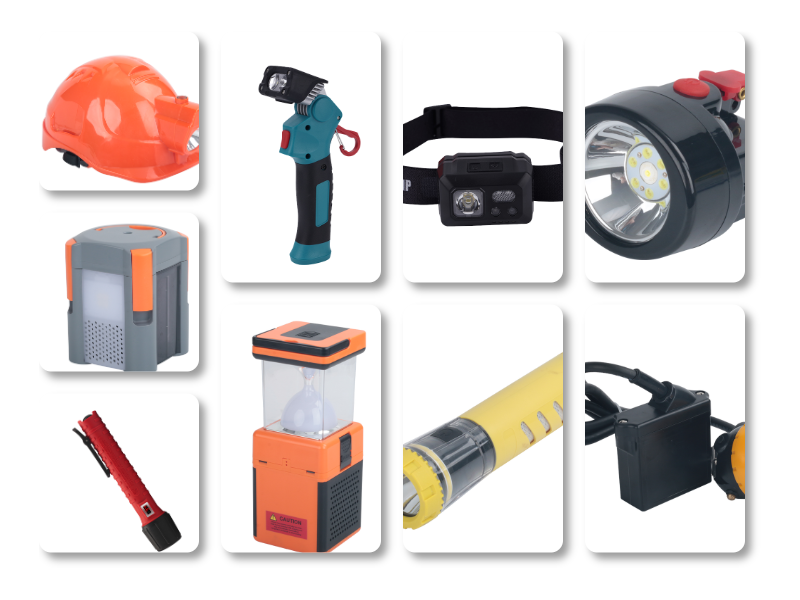
  • Hazardous Area Portable Tactical Lighting Wholesale in China: A Comprehensive Guide

      In the rapidly evolving world of industrial safety, the demand for reliable and efficient lighting solutions in hazardous areas has surged. China, being a global manufacturing hub, offers a wide array of options for wholesale buyers looking for high-quality hazardous area portable tactical lighting. This article delves into the intricacies of this market, highlighting key features, benefits, and considerations for those seeking to purchase wholesale hazardous area portable tactical lighting in China.

      **Introduction**

      Hazardous areas, such as oil refineries, chemical plants, and mining sites, require specialized lighting solutions to ensure safety and productivity. Portable tactical lighting is a crucial component in these environments, providing illumination where traditional lighting systems may fail. China’s wholesale market for hazardous area portable tactical lighting is robust, offering a diverse range of products to meet various industrial needs.

      **Key Features of Hazardous Area Portable Tactical Lighting**

      1. **Intrinsically Safe Design**: The most significant feature of hazardous area lighting is its intrinsic safety. These lights are designed to prevent the ignition of flammable gases, vapors, and dust in hazardous environments. They achieve this through special electrical and mechanical designs that minimize the risk of sparks and heat.

      2. **Robust Construction**: Portable tactical lighting for hazardous areas is built to withstand harsh conditions. They are often made from durable materials like aluminum or stainless steel, and are resistant to shock, vibration, and extreme temperatures.

      3. **Long-Life LEDs**: The use of LED technology in these lights ensures long-lasting performance and energy efficiency. LEDs provide bright, clear illumination without generating excessive heat, making them ideal for use in hazardous areas.

      4. **Versatile Power Options**: Many models come with versatile power options, including rechargeable batteries, solar panels, and AC/DC inputs. This allows users to operate the lights in various environments and power conditions.

      5. **User-Friendly Features**: Modern hazardous area portable tactical lighting often includes user-friendly features such as adjustable brightness levels, remote controls, and durable carry cases.

      **Benefits of Wholesale Purchasing in China**

      1. **Cost-Effective**: China’s manufacturing capabilities allow for competitive pricing, making wholesale purchases an economical choice for businesses.

      2. **Large Selection**: The Chinese market offers a vast array of options, catering to different specifications and requirements. This allows buyers to find the perfect lighting solution for their specific needs.

      3. **Quality Assurance**: Reputable suppliers in China adhere to strict quality control standards, ensuring that the lighting products meet international safety and performance criteria.

      4. **Customization**: Many suppliers offer customization services, allowing buyers to tailor the lighting solutions to their specific requirements.

      **Considerations for Wholesale Buyers**

      1. **Supplier Reputation**: It is crucial to choose a reputable supplier with a proven track record in the industry. Look for suppliers that have certifications and positive customer reviews.

      2. **Regulatory Compliance**: Ensure that the lighting products comply with relevant safety standards and regulations for hazardous area use.

      3. **Warranty and Support**: Check the warranty and customer support offered by the supplier. Reliable suppliers provide comprehensive after-sales support.

      4. **Lead Time and Shipping**: Understand the lead time and shipping options offered by the supplier. This is particularly important for urgent orders or projects with tight timelines.

      **Conclusion**

      Wholesale purchasing of hazardous area portable tactical lighting in China offers numerous advantages, including cost-effectiveness, a wide selection of products, and quality assurance. By considering the key features, benefits, and considerations outlined in this article, buyers can make informed decisions and secure the best lighting solutions for their industrial needs.

    hazardous area portable tactical lighting wholesale in China

  • Relay Wholesale: A Comprehensive Guide to Your One-Stop B2B Shopping Destination

      Relay Wholesale has emerged as a leading B2B marketplace, offering a vast array of products and services to cater to the diverse needs of businesses worldwide. In this comprehensive guide, we will delve into the various aspects of Relay Wholesale, including its product range, services, and how it stands out from its competitors.

      **Introduction**

      The world of wholesale shopping has evolved significantly over the years, with the advent of online platforms making it easier than ever for businesses to source products from suppliers around the globe. Relay Wholesale is one such platform that has gained immense popularity due to its extensive product range, competitive pricing, and exceptional customer service.

      **Product Range**

      One of the key strengths of Relay Wholesale is its extensive product range. The platform offers an impressive variety of products across various categories, including electronics, fashion, home decor, beauty, and more. Whether you are looking for bulk quantities of a specific product or a diverse mix of items to cater to different customer needs, Relay Wholesale has got you covered.

      The platform ensures that its product range is constantly updated to keep up with the latest market trends and customer preferences. This commitment to staying ahead of the curve has helped Relay Wholesale establish itself as a go-to destination for businesses looking to expand their product offerings.

      **Competitive Pricing**

      Another reason why Relay Wholesale has become a favorite among businesses is its competitive pricing. The platform offers products at prices that are often lower than those available through traditional wholesale channels. This cost-effectiveness allows businesses to maximize their profit margins while still offering quality products to their customers.

      Relay Wholesale achieves this by leveraging its vast network of suppliers and manufacturers, which enables it to negotiate better deals and pass on the savings to its customers. This approach has not only helped businesses reduce their costs but has also allowed them to offer competitive prices to their end consumers.

      **Services**

      In addition to its vast product range and competitive pricing, Relay Wholesale offers a range of services that make it an ideal B2B shopping destination. Some of these services include:

      - **Order Tracking**: Relay Wholesale provides real-time order tracking, allowing businesses to monitor the progress of their orders and ensure timely delivery.
    – **Customer Support**: The platform offers 24/7 customer support to assist businesses with any queries or issues they may encounter.
    – **Secure Payment Options**: Relay Wholesale ensures the safety of its customers’ transactions by offering secure payment options, including credit cards, PayPal, and bank transfers.

      **Standing Out from the Competition**

      What sets Relay Wholesale apart from its competitors is its commitment to customer satisfaction. The platform understands that businesses rely on their suppliers to provide high-quality products and services, and it strives to meet and exceed these expectations.

      Here are a few reasons why Relay Wholesale stands out:

      - **User-friendly Interface**: The platform features an easy-to-navigate interface, making it simple for businesses to browse products, place orders, and manage their accounts.
    – **Diverse Supplier Network**: Relay Wholesale works with suppliers from around the world, ensuring that businesses have access to a wide range of products and services.
    – **Focus on Quality**: The platform is dedicated to providing high-quality products that meet the needs of its customers.

      **Conclusion**

      In conclusion, Relay Wholesale is a one-stop B2B shopping destination that offers businesses a vast array of products, competitive pricing, and exceptional services. By focusing on customer satisfaction and staying ahead of market trends, Relay Wholesale has established itself as a leader in the wholesale industry. Whether you are a small business owner or a large corporation, Relay Wholesale is an excellent choice for all your wholesale needs.

    Relay Wholesale

  • Wiring Duct for Machinery and Equipment: Importance, Types, and Installation Guide

      In the modern industrial landscape, the efficient and safe operation of machinery and equipment is paramount. One of the critical components ensuring this is the wiring duct. This article delves into the importance of wiring ducts for machinery and equipment, explores different types available, and provides a comprehensive installation guide.

      **Introduction**

      Wiring ducts are essential for the proper functioning of machinery and equipment in industrial settings. They serve as conduits for electrical wires, ensuring a safe and efficient power supply. In this article, we will discuss the significance of wiring ducts, the various types available, and how to install them correctly.

      **Importance of Wiring Ducts for Machinery and Equipment**

      1. **Safety**: Wiring ducts protect electrical wires from external factors such as dust, moisture, and physical damage. This reduces the risk of electrical faults and short circuits, ensuring the safety of workers and equipment.

      2. **Efficiency**: Properly installed wiring ducts facilitate the smooth flow of electricity, leading to improved efficiency in machinery and equipment operation.

      3. **Ease of Maintenance**: Wiring ducts make it easier to access and replace electrical wires, reducing downtime and maintenance costs.

      4. **Aesthetics**: A well-organized wiring system enhances the overall appearance of machinery and equipment, contributing to a cleaner and more professional workspace.

      **Types of Wiring Ducts**

      1. **Flexible Wiring Ducts**: These are suitable for applications where the machinery moves or vibrates. They are made of flexible materials like PVC and are easy to install and modify.

      2. **Rigid Wiring Ducts**: Ideal for fixed installations, rigid wiring ducts are made of materials like steel or aluminum. They provide excellent protection against external factors and are suitable for high-voltage applications.

      3. **Concealed Wiring Ducts**: These are installed within walls or ceilings, providing a clean and organized appearance. They are suitable for environments where aesthetics is a priority.

      4. **Surface-Mounted Wiring Ducts**: These are mounted on the surface of machinery or equipment. They are easy to install and suitable for temporary or portable applications.

      **Installation Guide for Wiring Ducts**

      1. **Choose the Right Duct**: Select the appropriate wiring duct based on the specific requirements of your machinery and equipment. Consider factors like the type of environment, voltage, and the number of wires.

      2. **Plan the Layout**: Determine the route for the wiring duct and mark the points where it will be installed. Ensure that the duct is easily accessible for maintenance purposes.

      3. **Prepare the Installation Area**: Clean the installation area and remove any debris or obstacles. Ensure that the surface is smooth and free from sharp edges.

      4. **Install the Duct**: Follow the manufacturer’s instructions for installing the wiring duct. For flexible ducts, use clips or ties to secure them in place. For rigid ducts, use screws or bolts to attach them to the machinery or equipment.

      5. **Route the Wires**: Carefully route the electrical wires through the duct, ensuring that they are not twisted or kinked. Leave enough slack for future maintenance.

      6. **Seal the Connections**: Ensure that all connections are secure and sealed to prevent any leaks or damage.

      7. **Test the System**: Once the installation is complete, test the system to ensure that the electrical wires are functioning correctly.

      **Conclusion**

      Wiring ducts are a crucial component in the efficient and safe operation of machinery and equipment. By understanding their importance, the different types available, and the installation process, you can ensure that your industrial setup runs smoothly and safely.

    wiring duct for machinery and equipment

  • Efficient Wiring Duct Solutions for Industrial Control Cabinets

      In the realm of industrial automation, the role of control cabinets cannot be overstated. These cabinets house the essential electrical and electronic components that manage and control the machinery and processes within a factory. One of the key components that ensure the smooth operation of these cabinets is the wiring duct. This article delves into the importance of wiring ducts for industrial control cabinets and explores the various solutions available in the market.

      **Introduction**

      Industrial control cabinets are the backbone of modern manufacturing processes. They are designed to protect and organize the electrical and electronic components that control the machinery. The wiring within these cabinets is crucial for the proper functioning of the equipment. This is where wiring ducts come into play. A wiring duct is a conduit system that provides a structured and organized way to route cables and wires within the control cabinet. It not only enhances the aesthetics but also ensures the safety and efficiency of the system.

      **The Importance of Wiring Ducts for Industrial Control Cabinets**

      1. **Safety**: One of the primary reasons for using wiring ducts is safety. Properly organized cables reduce the risk of electrical shorts, overheating, and fire hazards. In addition, they prevent accidental tripping over cables, which can lead to injuries.

      2. **Accessibility**: A well-organized wiring duct system makes it easier to access and maintain the electrical components. This is particularly important in industrial settings where regular maintenance and troubleshooting are essential.

      3. **Aesthetics**: A neatly arranged wiring duct system enhances the overall appearance of the control cabinet. It gives a professional and organized look, which is important for both aesthetic and practical reasons.

      4. **Efficiency**: An efficient wiring duct system ensures that cables are routed in the most optimal way, reducing the risk of cable congestion and improving the overall performance of the system.

      **Types of Wiring Ducts for Industrial Control Cabinets**

      1. **Flexible Wiring Ducts**: These are the most common type of wiring ducts used in industrial control cabinets. They are made of flexible materials such as PVC or polyethylene, making them easy to install and adapt to different shapes and sizes.

      2. **Rigid Wiring Ducts**: Rigid wiring ducts are made of materials like steel or aluminum. They are suitable for high-load applications and provide excellent protection for cables.

      3. **Modular Wiring Ducts**: Modular wiring ducts are designed for easy installation and reconfiguration. They consist of individual modules that can be connected to form a custom wiring duct system.

      4. **Concealed Wiring Ducts**: These ducts are designed to be hidden within the control cabinet, providing a clean and organized look. They are ideal for applications where aesthetics are a priority.

      **Installation and Maintenance of Wiring Ducts**

      The installation of wiring ducts should be carried out by trained professionals to ensure the safety and efficiency of the system. Here are some key points to consider during installation:

      1. **Select the Right Type of Duct**: The type of duct to be used depends on the specific requirements of the application, including the load, environment, and cable types.

      2. **Proper Routing**: Cables should be routed in a way that minimizes the risk of damage and ensures easy access for maintenance.

      3. **Secure Mounting**: The ducts should be securely mounted to prevent movement and ensure the integrity of the system.

      Regular maintenance of the wiring ducts is essential to ensure their continued performance. This includes checking for signs of wear and tear, cleaning the ducts, and replacing any damaged components.

      **Conclusion**

      Wiring ducts play a crucial role in the efficient operation of industrial control cabinets. By providing a structured and organized way to route cables, they enhance safety, accessibility, and aesthetics. With the wide range of options available in the market, selecting the right wiring duct solution for your industrial control cabinet is essential. Proper installation and regular maintenance are key to ensuring the longevity and performance of the system.

    wiring duct for industrial control cabinets

  • ATEX IECEx Mining Tactical Flashlight China: A Reliable Lighting Solution for Underground Operations

      In the mining industry, safety is paramount, and every piece of equipment used in underground operations must meet stringent safety standards. One such essential tool is the ATEX IECEx mining tactical flashlight China. This article delves into the features, benefits, and importance of this specialized flashlight in ensuring the safety and efficiency of mining operations in China.

      The ATEX IECEx certification is a mark of excellence that signifies a product has met the highest safety standards for use in potentially explosive environments. The ATEX (Atmospheres Explosibles) directive is a European Union directive that sets out the essential safety requirements for equipment used in potentially explosive atmospheres. Similarly, IECEx (International Electrotechnical Commission) is an international certification body that provides certification for equipment used in explosive atmospheres. The ATEX IECEx mining tactical flashlight China is designed to meet both these standards, making it a reliable choice for underground mining operations.

      One of the standout features of the ATEX IECEx mining tactical flashlight China is its robust construction. Made from high-quality materials, this flashlight is built to withstand the harsh conditions of mining environments. It is impact-resistant, dust-proof, and water-resistant, ensuring that it remains functional even in the most challenging conditions. This durability is crucial for miners who rely on their equipment to work safely and efficiently.

      The flashlight’s design is another aspect that sets it apart. It features a compact and ergonomic shape, making it easy to handle and operate even with gloves. The flashlight’s weight is well-balanced, reducing the strain on the miner’s hands and arms during extended use. The rubberized grip provides a secure hold, preventing the flashlight from slipping out of the miner’s hands.

      In terms of lighting performance, the ATEX IECEx mining tactical flashlight China does not disappoint. It boasts a powerful LED beam that offers exceptional visibility in dark and challenging environments. The flashlight’s beam distance can reach up to 200 meters, ensuring that miners can see clearly in the farthest corners of the mine. The adjustable focus feature allows miners to switch between a focused beam for long-range illumination and a wider beam for closer work.

      Safety is a top priority in the mining industry, and the ATEX IECEx mining tactical flashlight China is equipped with several features that enhance miner safety. The flashlight is intrinsically safe, meaning it is designed to prevent the ignition of explosive gases and dust. This is achieved through the use of low-voltage electronics and encapsulated components. Additionally, the flashlight is equipped with a thermal protector that automatically shuts off the device if it overheats, preventing any potential fire hazards.

      Another important feature of the ATEX IECEx mining tactical flashlight China is its long battery life. The flashlight is powered by rechargeable batteries, which can last up to 8 hours on a single charge. This ensures that miners have a reliable source of light throughout their shift, reducing the risk of accidents caused by sudden darkness.

      The ATEX IECEx mining tactical flashlight China is also designed with the miner’s comfort in mind. The lightweight design and ergonomic shape make it comfortable to carry and use for extended periods. The flashlight’s low heat output also helps to prevent discomfort during prolonged use.

      In conclusion, the ATEX IECEx mining tactical flashlight China is an essential tool for miners working in underground environments. Its robust construction, exceptional lighting performance, and numerous safety features make it an ideal choice for ensuring the safety and efficiency of mining operations. As the mining industry continues to grow in China, the demand for high-quality, reliable equipment like the ATEX IECEx mining tactical flashlight China is only expected to increase.

    ATEX IECEx mining tactical flashlight China