In the rapidly evolving landscape of industrial safety, the demand for reliable and efficient lighting solutions in hazardous locations has surged. China, being a global manufacturing hub, has emerged as a leading producer of explosion proof lighting for tactical operations. This article delves into the intricacies of hazardous location tactical explosion proof lighting in China, exploring its significance, types, and applications.
**Introduction**
Hazardous locations, such as oil refineries, chemical plants, and mining sites, pose unique challenges due to the presence of flammable gases, vapors, and dust. Traditional lighting solutions are inadequate in such environments, as they can ignite flammable substances, leading to catastrophic consequences. This is where explosion proof lighting comes into play. In China, the demand for explosion proof lighting has surged, driven by stringent safety regulations and the need for reliable illumination in potentially dangerous environments.
**The Significance of Explosion Proof Lighting in Hazardous Locations**
Explosion proof lighting is designed to prevent the ignition of flammable gases, vapors, and dust in hazardous locations. These lights are constructed with special materials and technologies that ensure they do not generate sparks or heat that could trigger an explosion. The significance of explosion proof lighting in hazardous locations cannot be overstated:
1. **Enhanced Safety**: By preventing the risk of explosion, explosion proof lighting ensures the safety of workers and the public.
2. **Compliance with Regulations**: Many industries in China are subject to stringent safety regulations that require the use of explosion proof lighting.
3. **Improved Productivity**: Reliable lighting in hazardous locations enhances visibility, leading to improved productivity and reduced accidents.
**Types of Explosion Proof Lighting in China**
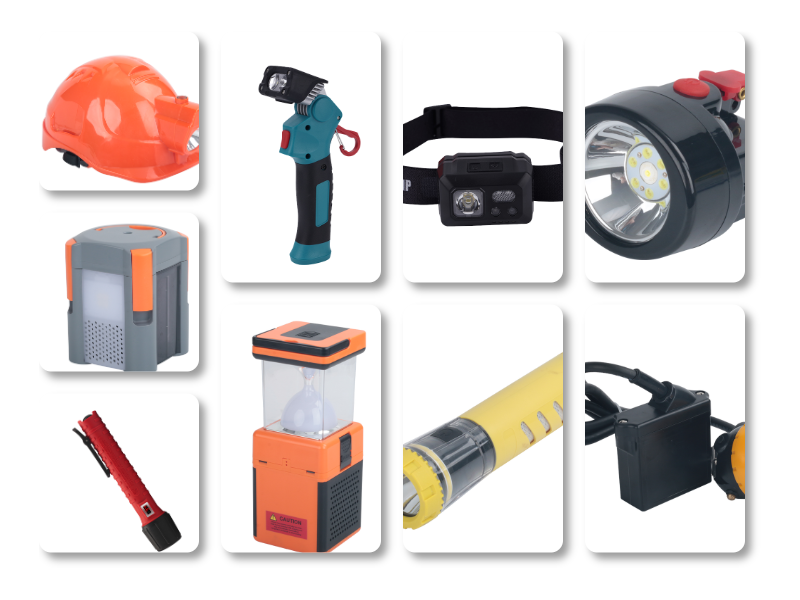
China offers a wide range of explosion proof lighting solutions, catering to various needs and environments. Some of the most common types include:
1. **Flameproof Lighting**: This type of lighting is designed to contain any sparks or heat generated within the housing, preventing the ignition of flammable substances.
2. **Intrinsically Safe Lighting**: Intrinsically safe lights are designed to prevent the formation of sparks or heat that could ignite flammable substances.
3. **Dust-Proof Lighting**: These lights are designed to prevent the accumulation of dust, which can be a fire hazard in certain environments.
**Applications of Explosion Proof Lighting in China**
Explosion proof lighting finds applications in various industries in China, including:
1. **Oil and Gas Industry**: Explosion proof lighting is crucial in oil refineries and gas processing plants to ensure the safety of workers and equipment.
2. **Chemical Industry**: Chemical plants require explosion proof lighting to prevent the ignition of flammable gases and vapors.
3. **Mining Industry**: Mining operations involve the presence of dust and flammable gases, making explosion proof lighting essential for worker safety.
**Conclusion**
In conclusion, hazardous location tactical explosion proof lighting plays a vital role in ensuring safety and productivity in potentially dangerous environments. China, with its robust manufacturing capabilities and stringent safety regulations, has become a leading producer of explosion proof lighting solutions. As industries continue to evolve, the demand for reliable and efficient explosion proof lighting is expected to grow, making it an essential component of industrial safety.
Leave a Reply